What’s Next for Smart Living and Automation?
Smart homes have rapidly evolved from a luxury to an everyday necessity. What began as simple automatic lighting has now developed into a mature ecosystem encompassing voice assistants, connected Internet of Things (IoT) devices, smart appliances, and smart energy management systems. As we move towards a future driven by artificial intelligence and data-driven technologies, the smart home automation market is poised for groundbreaking transformation.

What Lies Behind Intelligence?
Autonomy:
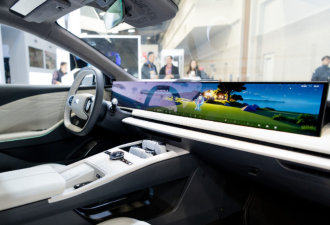
Further development of intelligence may lead to autonomy. Autonomous systems can make decisions and act independently without human intervention. This involves not only machine intelligence but also the ability of machines to self-adjust and optimize in complex environments based on objectives. Examples include the full realization of autonomous vehicles and the widespread application of unmanned systems.
Perception:
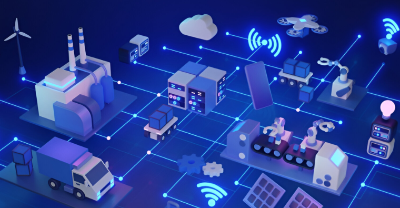
With the development of IoT and sensing technologies, we may enter the "perception" stage. Here, "perception" is not merely about acquiring data through sensors, but about achieving more intelligent decision-making through a comprehensive perception and understanding of the environment. For example, smart city systems can perceive traffic, the environment, and social events in real time, responding and adjusting rapidly.
Cognition:
Furthermore, it may develop into "cognition." Cognitive technologies are not merely intelligent tools; they can understand, learn, reason, and think creatively, much like humans. This may include more complex artificial intelligence systems capable of simulating human thought and decision-making processes, possessing deeper levels of understanding and reasoning abilities.
Emotionalization:
Future technologies may place greater emphasis on human emotional interaction, such as the application of affective computing or emotional AI. This means that systems will not only make rational decisions but also recognize and understand human emotional needs and respond accordingly. This technology will provide a more human-centered experience in human-machine interaction.
Superintelligence:
Finally, with the further development of artificial intelligence, we may enter a stage that surpasses human intelligence—superintelligence. Such superintelligent systems possess reasoning, learning, and problem-solving abilities far exceeding those of humans, unleashing unprecedented potential across various fields.
These future developments are not merely technological iterations but also profound transformations in multiple aspects, including society, the economy, and ethics. The stage beyond intelligence will involve more complex systems and more advanced technological innovations, requiring in-depth reflection on ethical, legal, and social responsibility aspects.

Reflection
Intelligent technologies can liberate humans from repetitive and tedious tasks, giving us more time and space for creative thinking and innovation. For example, AI can automatically analyze big data to help businesses make more accurate decisions and provide customized solutions in fields such as medicine and education. Whether in home environments, urban transportation, or health management, intelligent technologies can bring us more convenient and personalized lives. Smart home systems can automatically adjust the environment according to individual habits, and intelligent transportation systems can optimize road networks, reduce traffic congestion, and improve the travel experience. Intelligent systems can optimize energy utilization and resource management, reducing waste and improving sustainability. For example, smart grids can help distribute electricity more efficiently and reduce energy consumption, while smart agriculture can optimize irrigation and planting methods, increasing yields while reducing environmental burden. With technological advancements, people, machines, and data around the world can be more closely connected and collaborate. Whether in solving global issues such as climate change or in global business and scientific research collaborations, intelligent ecosystems can provide more support and possibilities.
Conclusion
The future intelligent ecosystem will be an era full of opportunities and challenges. It can enable us to achieve breakthroughs in many fields, improve our quality of life, and promote global cooperation, but it also brings a series of issues such as privacy, employment, and ethics. For this intelligent ecosystem to develop healthily, in addition to technological progress, adjustments and preparations in social, cultural, and legal aspects are also essential. While promoting technological innovation, we should also develop appropriate solutions to these challenges, so that the intelligent ecosystem can truly become a force for social progress.